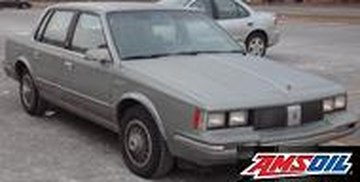
Maintaining Lubrication Standards for the 1982 Oldsmobile CUTLASS 5.0L
Proper engine maintenance is a cornerstone of long-term vehicle health, particularly for an engine like the 5.0L found in the 1982 Oldsmobile CUTLASS. Maintaining the correct lubrication profile ensures that internal components operate with minimal friction and that heat is effectively managed during operation. For owners of this vehicle, staying proactive with fluid inspections and understanding how to select appropriate products can prevent many common mechanical concerns.Monitoring Fluid Integrity and Condition
A vital part of routine service involves observing the physical condition of the engine oil. Rather than simply checking levels, an owner should periodically examine the appearance and texture of the lubricant. Oil that appears excessively dark or gritty may indicate that it has undergone significant thermal stress or has collected a high concentration of contaminants. If you notice any changes in the consistency of the fluid, such as a milky appearance, this warrants immediate investigation, as it can be associated with various internal issues. Furthermore, observing the area around the engine for signs of seepage is a practical way to monitor the health of various gaskets and seals. While some minor weeping may occur as components age, identifying these areas early allows for more controlled maintenance decisions.Practical Inspection Priorities for Aging Engines
As vehicles move through different stages of their service life, certain components require closer attention during routine inspections. For a 1982 Oldsmobile CUTLASS, this means looking beyond the engine oil to the systems that support overall vehicle operation.- Sealing Surfaces: Inspecting various gaskets and seals for signs of age-related seepage can help identify potential leaks before they become significant.
- Drive Components: If equipped, inspect accessible drive belts for evidence of cracking, glazing, or fraying. Such deterioration can impact the reliability of engine accessories.
- Cooling System: Check for any visible signs of leakage around hoses or connections to ensure the engine remains within its intended operating temperature range.
- Electrical Integrity: Inspecting wiring and electrical connectors for corrosion or loose connections is a useful preventive measure to ensure consistent performance.
Understanding Potential Lubrication Warning Signs
It is important to recognize that certain symptoms may indicate a need for professional diagnostic attention. While many issues have multiple possible causes, being aware of specific indicators can help you respond quickly. Unusual mechanical noises during engine operation should never be ignored, as they can sometimes be linked to lubrication deficiencies or component wear. Similarly, if you notice an unusual odor that could be associated with oil contacting a hot surface, it is wise to inspect the exterior of the engine for any signs of leakage. If the vehicle exhibits changes in how it operates shortly after a service interval, such as a change in idle quality or noise, re-verifying the work performed during that service is a logical step. Always remember that symptoms are indicators rather than definitive diagnoses; they serve as prompts to investigate further.Establishing a Maintenance Baseline
For many owners of a 1982 Oldsmobile CUTLASS, the vehicle's full service history may not be immediately available. In these instances, establishing a maintenance baseline is an excellent way to manage future care. This involves performing a thorough inspection of all current fluids and mechanical components to determine their present state. Reviewing any available repair records can provide clues about what has been addressed in the past, such as previous gasket replacements or belt changes. If no records exist, treating the vehicle as if it requires a comprehensive baseline inspection allows you to prioritize tasks—addressing active leaks or overdue service items first—before moving into a regular preventive maintenance routine. Keeping your own detailed logs of every oil change, filter replacement, and observed inspection result will create a valuable history for the future.Managing Long-Term Engine Health
Prioritizing maintenance as a vehicle ages requires a shift in perspective from "replacing parts because they are old" to "maintaining parts based on their condition." This distinction is key to efficient ownership. For example, rather than replacing every rubber component on a set schedule, an owner can use visual inspections to determine if a hose or belt actually shows signs of deterioration. Focusing on the consistency of lubrication and monitoring for any changes in fluid consumption is one of the most effective ways to manage a 5.0L engine over many years. When you notice that the frequency of oil top-offs must increase, it provides an opportunity to investigate the cause through a systematic inspection of seals and the crankcase ventilation system, if equipped.Practical Advice for Buying Engine Oil for your 1982 Oldsmobile CUTLASS 5.0L
When it is time to replenish your engine's lubricant, the most important step is to ensure the product matches the specific requirements of your application. Do not rely on general assumptions about what a 1982 model might need; instead, match the engine oil to the application-specific viscosity information already displayed on this page. When you are selecting a product, consider the following:- Verify Labeling: Always check the product packaging to ensure it meets the necessary quality standards and certifications.
- Formulation Options: Depending on your specific needs and the condition of your engine, you may choose between conventional, synthetic blend, or full synthetic oils. Some high-mileage oil formulations also contain additives intended for use in aging engines, including seal-conditioning additives.
- Application Accuracy: Ensure that the viscosity grade you purchase is exactly what is listed in the application information provided above to maintain proper lubrication characteristics.